Understanding Facial Fat: Why It's a Friend (and When to Sculpt Around It)
- Aug 7, 2025
- 4 min read

Facial Fat: Friend, Foe, or Something In Between?
Facial Fat Grafting Recovery Time
Recovery from facial fat grafting is typically straightforward but varies depending on the extent of the procedure and individual healing rates. Most patients experience mild swelling and bruising for the first 7 to 10 days, which gradually subsides. Discomfort is generally minimal and easily managed with prescribed or over-the-counter pain medication.
While many people feel comfortable returning to work and social activities within 1 to 2 weeks, full healing and final results can take a few months. This allows time for the transferred fat to settle and for your body to naturally integrate it into the treated areas. During this period, it’s important to avoid strenuous exercise and excessive sun exposure, as both can affect healing.
Your surgeon will provide detailed aftercare instructions tailored to your case. Following them closely ensures the best possible results and helps maintain the longevity of the fat grafts.
How Sculpted Medical Tourism Helps You Understand—and Reshape—the Role of Facial Fat in Aging and Aesthetics
When it comes to facial appearance, fat often gets a bad reputation. But here’s the truth: facial fat is not the enemy. In fact, it's one of the most vital components of youthful, healthy-looking skin. The real challenge lies in how fat behaves as we age—and how to manage that transformation in a balanced, artful way.
At Sculpted Medical Tourism, we work with some of South Africa’s top plastic surgeons who view facial fat as an opportunity rather than an obstacle. Whether you're noticing new hollows in your cheeks, volume loss under your eyes, or sagging skin around the jawline, understanding the role of fat in facial aging is key to choosing the right treatment plan.
Why Facial Fat Is So Important
From childhood through young adulthood, fat in the face is evenly distributed and structured into defined compartments—around the cheeks, temples, forehead, and chin. These compartments provide natural volume and a cushion-like support beneath the skin. This creates the smooth contours and healthy glow we associate with youth.
However, as we age, those fat compartments begin to shift, shrink, or descend. This change is not just about the surface—it’s structural. Combined with skin laxity, muscle weakening, and changes in bone structure, facial fat loss contributes to the development of jowls, hollow eyes, drooping cheeks, and a more tired or drawn appearance.
Additionally, weight loss, hormonal changes, and genetics can accelerate this loss of facial volume. For some people, these effects are subtle, while for others, they dramatically reshape their facial identity. Fortunately, modern cosmetic techniques offer restorative solutions that address both the loss and excess of facial fat—with results that can be natural, long-lasting, and incredibly empowering.
Fat Grafting: A Natural Way to Restore Volume
One of the most advanced and effective ways to restore youthful facial contours is through autologous fat grafting—a process where fat is gently harvested from your own body (usually from the abdomen or thighs), purified, and re-injected into areas of the face that have lost volume.
Unlike temporary fillers, fat grafting uses your own living tissue, which means it’s biocompatible and less likely to cause adverse reactions. The results are also often longer-lasting. But the benefits go beyond simple volume—fat contains regenerative stem cells that promote collagen production, improve skin texture, and help rejuvenate the skin from within.
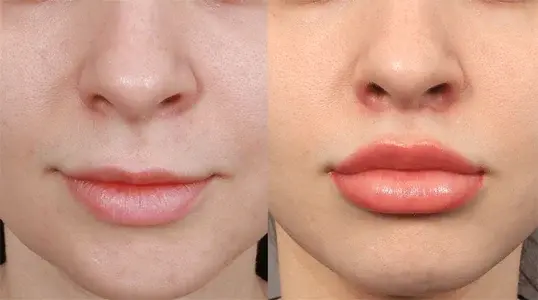
Common treatment areas include sunken cheeks, hollow temples, deep nasolabial folds (smile lines), tear troughs, and even the lips. It can be performed on its own or combined with other procedures such as facelifts or blepharoplasty (eyelid surgery) for more comprehensive rejuvenation.
At Sculpted Medical Tourism, our team ensures that patients considering fat grafting receive expert, honest advice about what to expect, how long results last, and whether they are good candidates for this type of natural restoration.
When Less Fat Means More Definition
On the flip side, not everyone suffers from a lack of facial fat. Some individuals, due to genetics or weight gain, carry more fat in areas like the lower cheeks, which can obscure bone structure and make the face appear rounder or heavier. In such cases, facial contouring procedures like buccal fat removal or lower facial liposuction can help create a more defined, contoured appearance.
These procedures require precision. Removing too much fat—especially in younger patients—can lead to hollowing later in life, making the face appear prematurely aged. That’s why patient selection and surgical restraint are so important.
Balance Is Everything
Facial fat isn’t simply “good” or “bad”—it’s a vital part of who you are. Managing its presence thoughtfully is the secret to subtle, sophisticated facial rejuvenation. Some patients benefit most from restoring volume; others from light sculpting. Many require a combination of both.
Ultimately, it's not about changing your face—it's about revealing the best version of it. Whether you're considering facial fat transfer, fat reduction, or a full facial rejuvenation plan, our team at Sculpted Medical Tourism is here to guide you through the options with care, expertise, and integrity.
Let us help you rediscover your natural beauty—supported by world-class surgeons, tailored packages, and recovery plans in the heart of stunning Cape Town.